
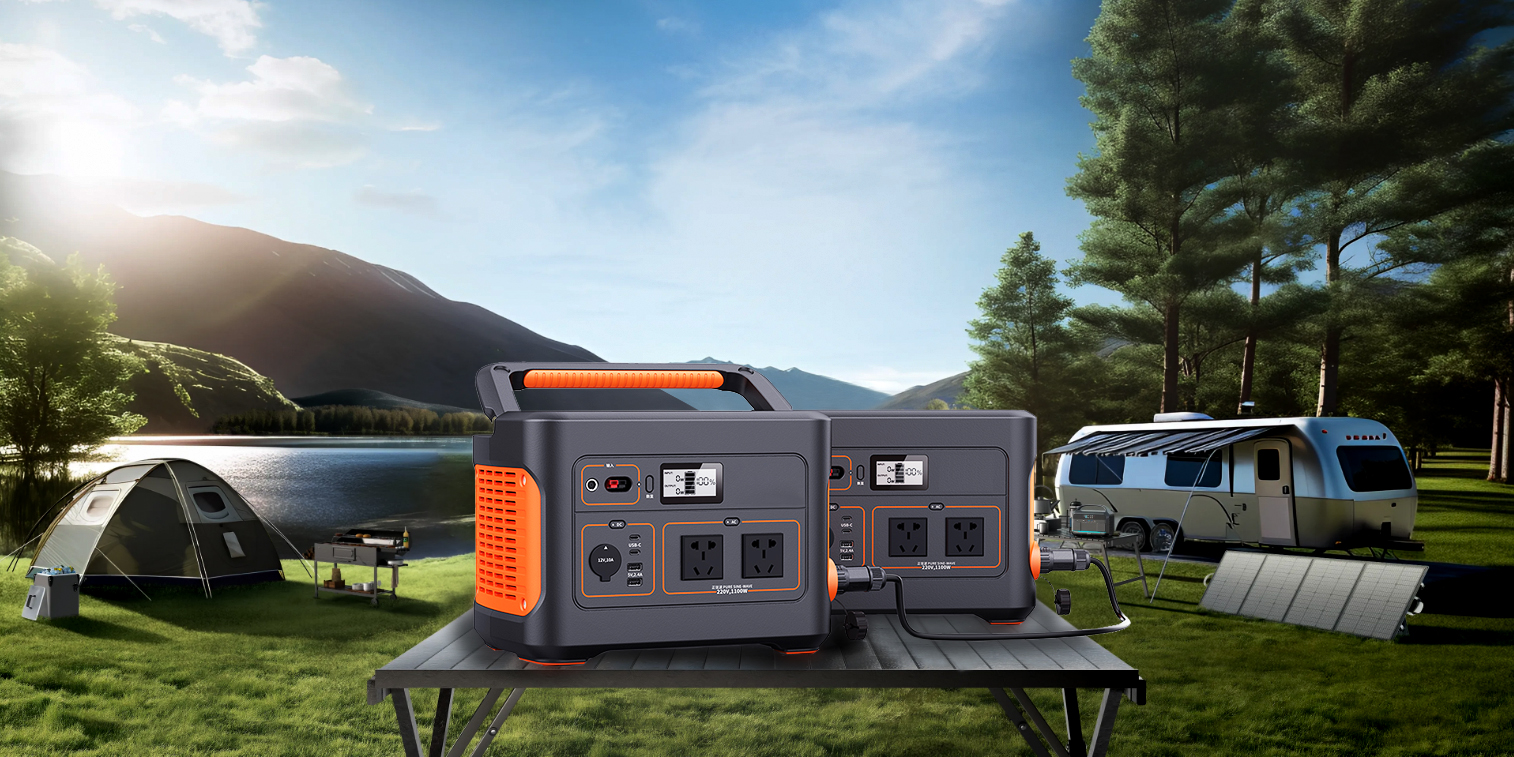
Bei neuen Energieanlagen wird der Kabelbaum oft nur als Hilfsbauteil betrachtet. Das ist riskant. In Akkupacks, Lademodulen für Elektrofahrzeuge, Solarspeichern, Schaltschränken, Drohnen und tragbaren Stromversorgungssystemen ist der Kabelbaum jedoch ein wesentlicher Bestandteil der elektrischen Leistung des gesamten Systems. Ein minderwertiger Stecker, ein falscher Kabelquerschnitt, eine schwache Crimpverbindung oder ein zu enger Biegeradius können Spannungsabfall, Wärmeentwicklung, instabile Signale und vorzeitigen Ausfall verursachen.
Das eigentliche Problem ist nicht einfach „Welches Kabel soll ich kaufen?“. Die wichtigere Frage lautet: Welchen Stromstärken, Temperaturen, Vibrationen, Platzverhältnissen, Betriebszyklen und Wartungsbedingungen wird der Kabelbaum nach der Installation ausgesetzt sein? Sobald diese Details geklärt sind, wird die Auswahl deutlich präziser.
Dieser Leitfaden erklärt, wie Ingenieure und Einkäufer einen Kabelbaum auswählen können, der in realen Geräten zuverlässig funktioniert und nicht nur auf einer Zeichnung.
1. Beginnen Sie mit dem Strom, nicht nur mit der Spannung.
Viele Teams konzentrieren sich zunächst auf die Spannungsfestigkeit, insbesondere bei Hochspannungs- oder Batteriesystemen. Die Spannungsfestigkeit ist zwar wichtig, aber die Stromstärke erzeugt in der Regel die Wärme. Wenn Strom durch einen Leiter fließt, wandelt der Widerstand einen Teil der Energie in Wärme um. Je höher die Stromstärke oder der Kontaktwiderstand ist, desto schneller steigt die Temperatur.
Bei kompakten Stromversorgungsgeräten ist dies wichtig, da Kabelbäume häufig in abgedichteten Gehäusen in der Nähe von Batterien, Leiterplatten, Relais, Lüftern oder Aluminiumrahmen verlegt werden. Ein Kabel, das im Freien unproblematisch erscheint, kann in einem engen Gehäuse zu heiß werden.
| Auswahlfaktor | Was es betrifft | Häufiges Risiko bei Ignorierung |
|---|---|---|
| Drahtstärke | Strombelastbarkeit und Spannungsabfall | Überhitzung, geringer Wirkungsgrad, instabile Lastleistung |
| Leitermaterial | Beständigkeit und Langzeit-Oxidationsbeständigkeit | Höhere Verluste, Hotspots, instabiler Kontakt |
| Kontaktfläche des Steckverbinders | Kontaktwiderstand und Wärmeanstieg | Brandspuren, Schmelzspuren, zeitweiliger Stromausfall |
| Isolationswert | Temperatur- und Spannungssicherheitsmarge | Rissbildung, Isolationsdurchschlag, Kurzschluss |
| Crimpqualität | Mechanische Festigkeit und elektrische Stabilität | Lose Klemmen, Lichtbögen, hochohmige Verbindungen |
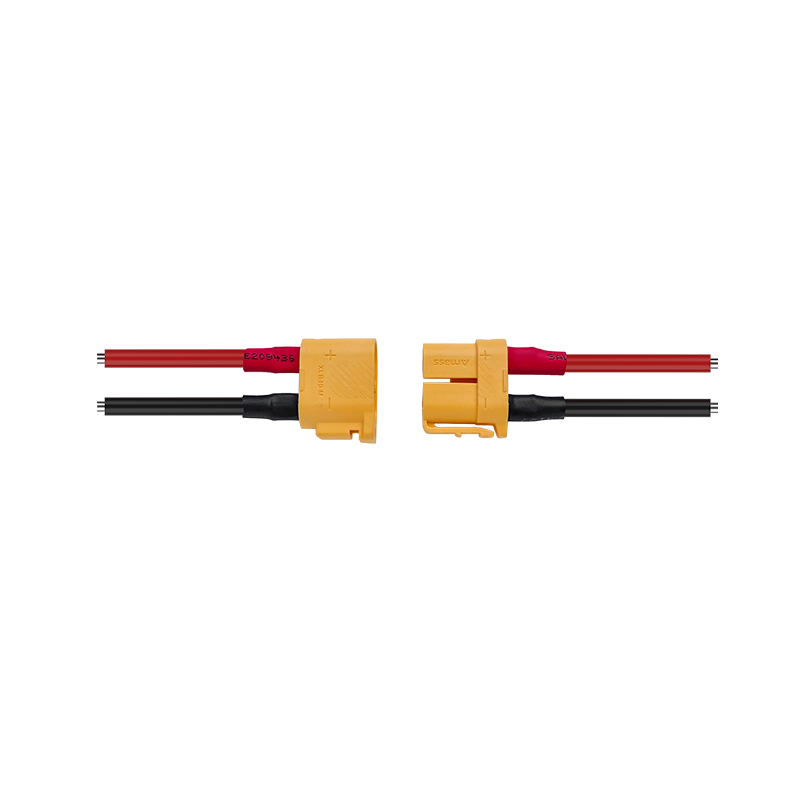
Für kompakte Hochstromverbindungen eignen sich Produkte wie beispielsweise ein XT30-Stromkabel mit niedrigem Widerstand sind nützlich, wenn die Anwendung kurze Leitungswege, stabilen Kontakt und geringe Energieverluste bei batteriebetriebenen oder neuen Energiegeräten erfordert.
2. Spannungsabfall vor Auswahl des Kabelbaums abschätzen
Spannungsabfall ist eines der am häufigsten übersehenen Probleme in der frühen Entwicklungsphase. Ein System kann einen kurzen Einschalttest bestehen, aber unter Volllast versagen, weil das Gerät am anderen Ende des Kabels nicht genügend Spannung erhält. Dies tritt häufig bei Batteriemodulen, Gleichstrommotoren, Steuerungen, Beleuchtungssystemen, Kommunikationsmodulen und Ladegeräten auf.
Eine praktische Regel ist einfach: Je länger das Kabel und je höher der Strom, desto wichtiger sind der Kabelquerschnitt und der Leiterwiderstand. Bei kurzen Kabelbäumen können unter Umständen kleinere Querschnitte verwendet werden, jedoch nur, wenn Stromstärke, Wärmeentwicklung, Einschaltdauer und der Platzbedarf dies zulassen.
| Anwendung | Typisches Problem mit Gurten | Empfohlener Designschwerpunkt |
|---|---|---|
| Ladesäule für Elektrofahrzeuge | Kontinuierlicher Strom und Wärmeanstieg | Leiter mit niedrigem Widerstand, robuste Klemmen, geprüfte Crimpung |
| Energiespeicherschrank | Lange Betriebszeit und dichte Verdrahtung | Wärmeabstand, Dämmklasse, Kennzeichnung |
| Drohnen-Strommodul | Gewicht, Vibration, Stoßstrom | Flexibles Kabel, sichere Steckerverriegelung, niedrige Impedanz |
| Solaradapter | Sicherheit bei Außeneinwirkung und Polaritätsschutz | Wasserdichte Steckverbinder, UV-Beständigkeit, deutliche Kennzeichnung |
| Industrie-Steuerkasten | Wartungs- und Verdrahtungsdichte | Terminalkonsistenz, Aderendhülsen, Schrumpfschlauch-Etiketten |
Ziel ist es nicht, immer das dickste Kabel zu wählen. Überdimensionierte Kabel erhöhen Kosten, Gewicht, Biegeaufwand und Installationszeit. Besser ist es, die Last zu berechnen, den Betriebszyklus zu ermitteln, die thermische Belastung zu prüfen und dann einen passenden Kabelbaum auszuwählen.
3. Wärmeanstieg als Qualitätsprüfung nutzen
Ein Kabelbaum sollte nicht allein nach seinem Aussehen beurteilt werden. Zwei Baugruppen können fast identisch aussehen, sich aber unter Last sehr unterschiedlich verhalten. Der Unterschied liegt oft in der Reinheit der Leiter, der Beschichtung, der Kontaktkraft der Anschlüsse, der Crimp-Kompression und der Isolationsqualität.
Die Temperaturprüfung mittels Erwärmungstest liefert ein klareres Bild. Bei einem Test mit kontrolliertem Strom sollte der Kabelbaum innerhalb des zulässigen Temperaturbereichs von Kabel, Stecker und umliegenden Bauteilen bleiben. Ist der Stecker deutlich heißer als das Kabel, liegt das Problem häufig im Kontaktwiderstand. Ist das gesamte Kabel heiß, kann der Kabelquerschnitt zu klein oder der Strom für die Einbaubedingungen zu hoch sein.
| Wärmemuster | Wahrscheinliche Ursache | Technische Antwort |
|---|---|---|
| Stecker heißer als Kabel | Hoher Kontaktwiderstand oder schlechter Anschluss | Verbesserung der Steckverbinderqualität, der Beschichtung, der Einsteckkraft oder des Crimpvorgangs |
| Draht über die gesamte Länge heiß | Unterdimensionierter Leiter oder Überlastung | Drahtquerschnitt erhöhen oder Stromstärke reduzieren |
| Hotspot in der Nähe der Crimpstelle | Schwache Crimpung, gebrochene Litzen, falsches Werkzeug | Crimphöhe, Zugkraft und Anschlusspassung prüfen |
| Hitze im Bereich der Biegung | Drahtbeschädigung oder zu enge Verlegung | Vergrößern Sie den Biegeradius und fügen Sie Zugentlastung hinzu. |
Zum Laden von Geräten und Steuerkästen, ein 400-mm-Ladekabelbaum für Elektrofahrzeuge kann hilfreich sein, wenn das Projekt eine definierte Kabellänge, eine stabile Anschlussklemme und eine niedrigere Impedanz innerhalb einer kompakten elektrischen Anordnung erfordert.
4. Passen Sie den Konnektor an die reale Arbeitsumgebung an.
Bei der Auswahl eines Steckverbinders geht es nicht nur um die Anzahl der Pins. Weitere wichtige Faktoren sind Stromstärke, Spannung, Vibrationsfestigkeit, Steckfrequenz, Wasserdichtigkeit, Verriegelungsmechanismus, Kontaktmaterial und der verfügbare Bauraum. Ein Steckverbinder, der auf einem Prüfstand einwandfrei funktioniert, kann sich in einem fahrenden Fahrzeug, einer Drohne, einem Roboter oder einem Verteilerkasten im Freien lösen.
Bei neuen Energie- und Industrieanlagen ist die Verriegelungsfestigkeit besonders wichtig. Ein lockerer Stecker kann zu intermittierenden Widerständen führen. Intermittierende Widerstände können Lichtbögen verursachen. Lichtbögen können die Anschlüsse beschädigen, die Wärmeentwicklung erhöhen und schließlich zum Totalausfall führen. Deshalb sollten Passgenauigkeit, Einsteckkraft und Klemmenhalt vor der Serienproduktion geprüft werden.
Bei Geräten für den Außen- oder Halbaußenbereich ist auch der Schutz vor Wasser und Staub zu berücksichtigen. Solaranlagen, tragbare Energiespeicher und Lademodule können Regen, Feuchtigkeit, Staub und Temperaturschwankungen ausgesetzt sein. Die Kabelbäume sollten daher über eine geeignete Isolierung, Abdichtung und Zugentlastung verfügen, um das Eindringen von Feuchtigkeit in den Kontaktbereich zu verhindern.
5. Unterschätzen Sie nicht das Crimpen.
Viele Kabelbaumfehler beginnen beim Crimpen. Eine fachgerechte Crimpung gewährleistet sowohl mechanische Festigkeit als auch elektrische Leitfähigkeit. Eine fehlerhafte Crimpung kann zwar einen Schnelltest bestehen, aber später versagen, weil die Drahtlitzen beschädigt, locker oder ungleichmäßig komprimiert sind.
Bei der professionellen Kabelbaumfertigung sollten Crimphöhe, Zugkraft, Anschlussposition, Abisolierlänge und Sichtprüfung kontrolliert werden. Bei Hochstromprodukten ist der Crimpbereich als kritische elektrische Verbindung und nicht als einfacher Montageschritt zu betrachten.
| Crimpfehler | Sichtbares Zeichen | Möglicher Feldausfall |
|---|---|---|
| Untercrimpung | Der Draht kann sich im Inneren der Klemme bewegen. | Hoher Widerstand, Auszugsfestigkeit der Klemmen |
| Übermäßiges Verpressen | Leiterlitzen gequetscht oder durchtrennt | Reduzierte Strombelastbarkeit, vorzeitiger Ausfall |
| Falsche Streifenlänge | Isolierung innerhalb der Leiterverpressung oder freiliegendes Kupfer | Schlechter Kontakt, Kurzschlussrisiko |
| Falsche Terminalübereinstimmung | Lockerer Sitz oder verformter Anschluss | Instabile Einführung, Wärmeentwicklung |
Für Anwendungen mit Vibrations-, Bewegungs- und Gewichtsbeschränkungen, ein Kundenspezifischer Drohnen-Stromversorgungskabelbaum kann eine sauberere Stromführung, eine bessere Stromversorgung und stabilere Anschlusspunkte in kompakten Geräten unterstützen.
6. Routenplanung vor der Produktion
Auch ein hochwertig gefertigter Kabelbaum kann bei unsachgemäßer Installation ausfallen. Enge Biegungen, scharfe Metallkanten, heiße Oberflächen, bewegliche Teile und Zugbelastungen können die Isolierung oder die Leiter beschädigen. Vor der Bestellung sollte das Entwicklungsteam den Kabelverlauf im Produkt überprüfen und alle Risikobereiche kennzeichnen.
Eine gute Kabelführung folgt in der Regel vier Prinzipien. Stromkabel sollten möglichst nicht mit empfindlichen Signalleitungen in Berührung kommen. Vermeiden Sie es, Kabel in der Nähe von Wärmequellen zu verlegen. Lassen Sie in der Nähe von Steckverbindern ausreichend Platz zum Biegen. Bringen Sie Befestigungspunkte an, wo Vibrationen oder Bewegungen die Klemmen belasten könnten.
Bei Geräten mit dichter interner Verdrahtung sind Beschriftungen ebenfalls hilfreich. Schrumpfschlauch-Etiketten, Farbkennzeichnungen, Steckerkennzeichnungen und übersichtliche Zeichnungen reduzieren Installationsfehler und beschleunigen die Wartung. Dies ist besonders nützlich für Energiespeicherschränke, Steuerkästen, Roboter, Ladesäulen sowie medizinische oder industrielle Geräte, bei denen die Servicezeit entscheidend ist.
7. Eine einfache Auswahltabelle für Einkäufer und Ingenieure
| Prioritätsstufe | Designfrage | Warum das wichtig ist | Risikostufe |
|---|---|---|---|
| Hoch | Wie hoch ist der maximale Dauerstrom? | Definiert Leitergröße und Wärmeanstieg | ██████████ |
| Hoch | Wo wird der Kabelbaum installiert? | Die Kabelbelegung ändert sich je nach Umgebungsbedingungen (offene Luft, geschlossene Box oder heiße Umgebung). | █████████ |
| Hoch | Wird das Produkt vibrieren oder sich bewegen? | Erfordert Zugentlastung und zuverlässige Verriegelung. | ████████ |
| Medium | Ist die Länge festgelegt oder individuell anpassbar? | Beeinflusst den Spannungsabfall und den Wirkungsgrad der Montage. | ███████ |
| Medium | Benötigt der Kabelbaum Etiketten? | Reduziert Installations- und Wartungsfehler | ██████ |
| Medium | Ist eine Abdichtung erforderlich? | Wichtig für Solar-, Outdoor- und Ladeprodukte | ███████ |
8. Fragen, die Sie vor der Bestellung eines maßgefertigten Geschirrs stellen sollten
Bevor Sie einen Lieferanten auswählen oder ein Muster bestätigen, erstellen Sie eine kurze technische Checkliste. Dies vermeidet wiederholte Änderungen und hilft dem Hersteller, die richtige Kabel-, Stecker- und Anschlusskombination zu empfehlen.
| Zu liefernde Informationen | Beispiel |
|---|---|
| Nennstrom und Spitzenstrom | 15 A Dauerstrom, 30 A Spitzenstrom für 10 Sekunden |
| Nennspannung | 48 V Gleichstrom, 300 V Gleichstrom oder projektspezifischer Wert |
| Betriebstemperatur | -20 °C bis 80 °C im Inneren des Gerätegehäuses |
| Gurtlänge | 50 mm, 200 mm, 400 mm oder kundenspezifische Länge |
| Stecker- oder Klemmentyp | Steckverbinder der XT-Serie, Steckverbinder XH, FDD-Anschluss, Rohranschluss |
| Anwendungsumgebung | Elektrofahrzeugladung, Akku, Drohne, Solarspeicher, Schaltschrank |
| Testanforderungen | Durchgangsprüfung, Zugkraftprüfung, Isolationsprüfung, Temperaturanstiegsprüfung |
Der beste Kabelbaum ist nicht immer der teuerste. Er ist derjenige, der optimal auf die elektrische Last, den Einbauraum, die thermischen Bedingungen, die mechanische Belastung und den Produktionsprozess abgestimmt ist. Bei Anlagen zur Erzeugung neuer Energien beeinflusst diese optimale Abstimmung unmittelbar Sicherheit, Effizienz und Kundendienstkosten.
Bei der Prüfung von Mustern sollte man sich nicht nur auf das Aussehen beschränken. Prüfen Sie Leiter, Anschlusspassung, Crimpqualität, Wärmeentwicklung, Beschriftung und Verlegekomfort. Ein Kabelbaum, der sich einfach installieren lässt, unter Strom stabil ist und die Wartung erleichtert, spart deutlich mehr Zeit als ein billiges Bauteil, das versteckte Risiken birgt.
Konstruiere den Kabelbaum um den Fehlermodus herum, nicht um die Zeichnung.
Die meisten Verkabelungsprobleme lassen sich auf eine vorhersehbare Ursache zurückführen: zu hoher Stromfluss im Leiter, zu hohe Hitze für die Isolierung, zu starke Vibrationen am Stecker, zu geringer Biegeradius oder unzureichende Prüfung vor dem Versand. Ein gut durchdachtes Kabelbaumdesign erkennt diese Risiken frühzeitig und beseitigt sie, bevor das Produkt den Kunden erreicht.
Bei Batteriesystemen, Ladeeinrichtungen für Elektrofahrzeuge, Solarspeichern, Robotern, Drohnen und industriellen Schaltschränken sollte der Kabelbaum als funktionales Stromversorgungselement betrachtet werden. Durch die sorgfältige Auswahl von Kabelquerschnitt, Stecker, Klemmen, Crimpverfahren, Kennzeichnung und Prüfprozess wird das Endprodukt im praktischen Einsatz sicherer, sauberer und zuverlässiger.


 IPv6-Netzwerk unterstützt