

Sie verlassen sich auf einen Kfz-Kabelbaum Jedes Mal, wenn Sie Ihr Fahrzeug starten. Dieser unverzichtbare Fahrzeugkabelbaum verbindet und organisiert die elektrischen und elektronischen Komponenten und fungiert als das Leitungsnetz, das elektrische Energie und Signale durch Ihr Auto transportiert. Er optimiert die Raumnutzung, schützt die Kabel vor Beschädigungen und gewährleistet den sicheren und effizienten Betrieb aller Fahrzeugsysteme.
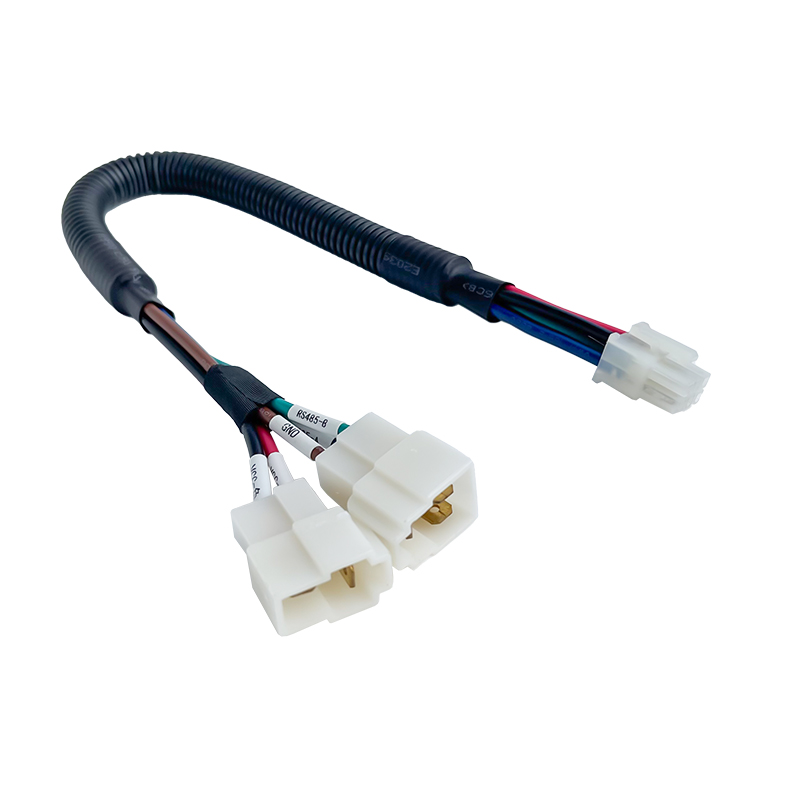
Ein Kfz-Kabelbaum verbindet und organisiert die elektrischen Systeme Ihres Fahrzeugs und gewährleistet so eine effiziente Strom- und Signalübertragung.
Eine sachgemäße Verlegung und Anordnung der Kabel im Kabelbaum beugt Beschädigungen vor und verringert das Risiko von Kurzschlüssen, wodurch die Fahrzeugsicherheit erhöht wird.
Durch regelmäßige Inspektionen des Kabelbaums können Verschleiß und Beschädigungen frühzeitig erkannt werden, was dazu beiträgt, die Zuverlässigkeit und Leistungsfähigkeit Ihres Fahrzeugs zu erhalten.
Durch die Verwendung hochwertiger Materialien für Isolierung und Schutz wird die Lebensdauer des Kabelbaums verlängert und sichergestellt, dass er auch rauen Bedingungen standhält.
Steckverbinder und Klemmen im Kabelbaum müssen sicher befestigt sein, um einen zuverlässigen Stromfluss zu gewährleisten und Fehlfunktionen des Systems zu verhindern.
Sicherungen und Relais im Kabelbaum schützen vor elektrischer Überlastung und verhindern so mögliche Brände und Schäden an empfindlichen Bauteilen.
Das Verständnis der Komponenten eines Kabelbaums hilft Ihnen, seine Rolle in modernen Fahrzeugen zu verstehen – von grundlegenden Funktionen bis hin zu fortschrittlichen Sicherheitsmerkmalen.
Für spezielle Anforderungen im Automobilbereich sind kundenspezifische Kabelbaumlösungen erhältlich, die die Kompatibilität mit verschiedenen Fahrzeugtypen und Anwendungen gewährleisten.
Sie kommen mit dem Kabelbaum Ihres Fahrzeugs immer dann in Berührung, wenn Sie mit den elektrischen Systemen interagieren. In der Fahrzeugtechnik definieren Experten den Kabelbaum als das zentrale Element des Netzwerks der Fahrzeugstromkreise. Dieses Netzwerk besteht aus Kabeln, Steckverbindern und Isolierband und bildet eine standardisierte Struktur, die eine Vielzahl von Fahrzeuganwendungen unterstützt. Der Kabelbaum fungiert als Rückgrat des Fahrzeugkabelsystems und stellt sicher, dass jede elektrische und elektronische Komponente die benötigte Energie und die entsprechenden Signale erhält.
Der Kabelbaum fungiert als Netzwerk, das wichtige Fahrzeugkomponenten miteinander verbindet.
Es verbindet Systeme wie den Motor und die Bremsanlage und ermöglicht ihnen so eine effiziente Kommunikation und einen reibungslosen Betrieb.
Es überträgt elektrische Signale an kritische Bauteile wie Batterien und Sicherheitssysteme.
Die gebündelte Anordnung der Kabel verbessert die Effizienz der elektrischen Signalübertragung im gesamten Fahrzeug.
Durch die Bündelung der Kabel in einem einzigen, übersichtlichen Kabelbaum spart dieser Platz und schützt vor Beschädigungen. Die optimierte Kabelführung nutzt den begrenzten Raum im Fahrzeug optimal aus. Diese Anordnung sorgt nicht nur für ein ordentlicheres Erscheinungsbild, sondern reduziert auch das Gesamtgewicht, was den Kraftstoffverbrauch senken kann. Die fachgerechte Verlegung des Kabelbaums gewährleistet, dass die Kabel von Hitzequellen, scharfen Kanten und beweglichen Teilen ferngehalten werden, wodurch die Lebensdauer des gesamten Systems verlängert wird.
Der Fahrzeugkabelbaum ist nicht nur für den grundlegenden Betrieb unerlässlich. Moderne Fahrzeuge nutzen dieses System für fortschrittliche Funktionen und die Sicherheit.
Der Kabelbaum verbindet Stromquellen wie Batterie oder Lichtmaschine mit Komponenten wie Leuchten und Sensoren.
Es ermöglicht die Kommunikation zwischen verschiedenen elektronischen Systemen und unterstützt alles von Unterhaltung bis hin zu fortschrittlichen Fahrerassistenzsystemen.
Durch die Organisation und den Schutz der Kabel trägt der Kabelbaum dazu bei, Kurzschlüsse und elektrische Ausfälle zu verhindern und fördert so Sicherheit und Effizienz.
Der Kfz-Kabelbaum ist eine entscheidende Komponente moderner Fahrzeuge. Seine Konstruktion und Funktion tragen der zunehmenden Komplexität der Fahrzeugelektronik Rechnung und machen ihn somit unverzichtbar für zuverlässige Leistung und Sicherheit in allen automobilen Anwendungen.
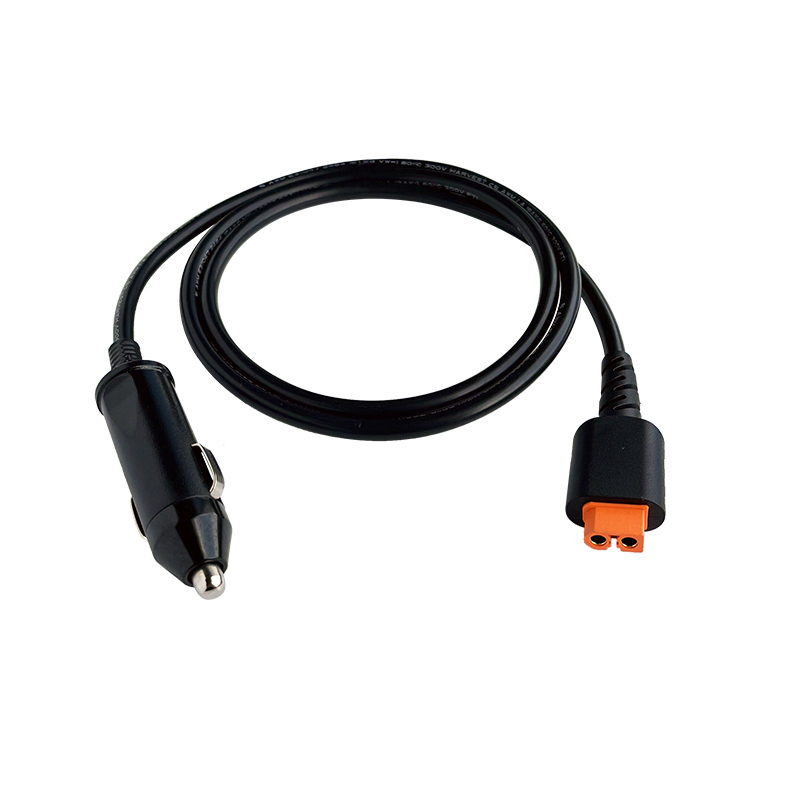
Betrachtet man die wichtigsten Komponenten eines Kabelbaums, erkennt man, wie jedes einzelne Teil zur Zuverlässigkeit und Sicherheit der Fahrzeugelektrik beiträgt. Das Verständnis dieser Komponenten hilft, die Komplexität und die Ingenieurskunst hinter jedem modernen Auto zu begreifen.
Drähte und Kabel bilden die Grundlage jedes Kabelbaums. Sie dienen der Übertragung von elektrischer Energie und Signalen zwischen den verschiedenen Fahrzeugteilen. Jeder Draht muss spezifische Anforderungen an Strombelastbarkeit, Flexibilität und Haltbarkeit erfüllen.
In einem Kabelbaum finden Sie verschiedene Drahtquerschnitte, die jeweils für einen bestimmten Anwendungsbereich ausgelegt sind. Die folgende Tabelle zeigt gängige Drahtquerschnitte und deren Verwendungszwecke:
Drahtstärke | Anwendung |
|---|---|
0,5 mm | Instrumentenbeleuchtung, Kontrollleuchten usw. |
0,75 mm | Kennzeichenbeleuchtung, Bremslichter |
1,0 mm | Blinker, Nebelscheinwerfer |
1,5 mm | Scheinwerfer, Hupen |
2,5–4,0 mm | Hauptnetzkabel |
>10 mm | Batterie-Überbrückungskabel |
In Fahrzeugen findet man verschiedene Arten von Gurten:
Motorkabelbaum: Verbindet die wichtigsten Motorkomponenten und steuert Kraftstoffeinspritzung und Zündung.
Fahrgestellkabelbaum: Steuert die elektrischen Systeme im Fahrzeugrahmen und verbindet die Batterie mit den Stromanschlüssen.
Armaturenbrett-Kabelbaum: Verbindet komplexe Systeme wie den Tachometer und das Infotainmentsystem.
Die Isolierung spielt eine entscheidende Rolle beim Schutz von Kabeln vor Hitze, Feuchtigkeit und elektrischen Störungen. Hersteller verwenden Materialien wie PVC für eine kostengünstige und leichte Isolierung im Fahrgastraum. Teflon und Silikon bieten eine höhere Beständigkeit gegen Hitze und Chemikalien und eignen sich daher ideal für Motorräume. Hochtemperatur- und ölbeständige Materialien wie vernetztes PE gewährleisten Langlebigkeit auch unter rauen Umgebungsbedingungen.
Steckverbinder und Klemmen verbinden Drähte und Geräte und gewährleisten so einen sicheren und zuverlässigen Stromfluss. Sie verlassen sich auf diese Komponenten für sichere Verbindungen, die Vibrationen, Temperaturschwankungen und Feuchtigkeit standhalten.
In Kfz-Kabelbäumen finden Sie eine Vielzahl von Steckverbindern:
Z27C2 (2-poliger Stecker): Wird für Nebelscheinwerfer und Hauptscheinwerfer bei vielen Fahrzeugmarken verwendet.
L42B2 (2-poliger Stecker): Häufig bei Modellen von Nissan, Buick und Dodge verbaut.
L43A2 (2-poliger Stecker): Wird in Fahrzeugen von Hyundai und Kia verwendet.
R62C8 (8-poliger Stecker): Unterstützt Totwinkel- und Radarsensoren.
B85C3 (3-poliger Stecker): Wird für Blinker und Scheinwerfer bei Chevy und Ford verwendet.
Steckverbinder und Klemmen gewährleisten die effektive und sichere Übertragung elektrischer Signale. Flachsteckverbinder bieten einen festen Sitz und sind einfach zu bedienen. Stiftsteckverbinder sind platzsparend und bieten sicheren Halt. Weather Pack- und AMP Superseal-Steckverbinder gewährleisten eine hervorragende Abdichtung gegen Wasser und raue Bedingungen.
Schutzhüllen und -bänder schützen Kabel vor Abrieb, Hitze und Umwelteinflüssen. Diese Komponenten tragen dazu bei, die Integrität des Kabelsystems langfristig zu erhalten. Schutzhüllen und -bänder verhindern, dass Kabel aneinander reiben und reduzieren so das Risiko von Kurzschlüssen. Sie bieten außerdem Wärmeisolierung und schützen vor Feuchtigkeit, Chemikalien und extremen Temperaturen. Durch den Einsatz dieser Schutzelemente gewährleisten die Hersteller die zuverlässige Funktion und lange Lebensdauer des Kabelbaums Ihres Fahrzeugs.
Sicherungen, Relais und Beschriftungen sind unerlässlich, um den Kabelbaum Ihres Fahrzeugs sicher, übersichtlich und wartungsfreundlich zu gestalten. Diese Komponenten spielen eine entscheidende Rolle beim Schutz der Fahrzeugelektrik und gewährleisten einen reibungslosen Betrieb.
Sicherungen dienen als erste Verteidigungslinie gegen elektrische Überlastung. Wenn ein Stromkreis zu viel Strom erhält, unterbricht die Sicherung die Verbindung. Diese einfache Maßnahme verhindert Brände und schützt empfindliche Elektronik vor Schäden. Man kann sich eine Sicherung wie ein Sicherheitsventil vorstellen, das gefährliche Situationen verhindert, bevor sie entstehen.
Relais ermöglichen die Steuerung von Geräten mit hohem Stromverbrauch über Schalter mit niedrigem Stromverbrauch. Schaltet man beispielsweise das Abblendlicht ein, sendet ein kleiner Schalter ein Signal an ein Relais. Dieses schließt dann den Stromkreis für das Abblendlicht, das deutlich mehr Strom benötigt. Diese Konstruktion verringert das Risiko von Schäden an der Fahrzeugverkabelung und den Schaltern. Zudem tragen Relais zur Verlängerung der Lebensdauer elektrischer Bauteile bei, indem sie den Verschleiß minimieren.
Beschriftungen und Farbcodes erleichtern die Fehlersuche und Reparaturen erheblich. Bei einem übersichtlich beschrifteten Kabelbaum lassen sich Funktion und Anschlussort jedes einzelnen Kabels schnell erkennen. Diese Organisation spart Zeit bei der Wartung und beugt Fehlern vor. Die Farbcodierung sorgt für zusätzliche Übersichtlichkeit und ermöglicht es, Probleme auf einen Blick zu erkennen.
Die folgende Tabelle fasst zusammen, wie diese Komponenten zur Sicherheit und Organisation Ihres Kfz-Kabelbaums beitragen:
Komponente | Funktion | Nutzen |
|---|---|---|
Sicherungskästen | Unterbricht den Stromkreis, wenn der Strom zu hoch ist | Verhindert Brände durch elektrische Überlastung oder Kurzschlüsse. |
Relaiskabelbäume | Ermöglicht es kleinen Schaltern, große Geräte sicher zu steuern | Verringert das Risiko von Schäden am elektrischen System des Fahrzeugs. |
Sie werden feststellen, dass diese Schlüsselkomponenten eines Kabelbaums zusammenarbeiten, um ein zuverlässiges und effizientes elektrisches Netzwerk zu bilden. Sicherungen schützen vor Überspannungen. Relais steuern die Stromverteilung. Beschriftungen und Farbcodes vereinfachen die Wartung. Indem Sie deren Funktionen verstehen, können Sie die Technik hinter dem elektrischen System Ihres Fahrzeugs besser nachvollziehen.
Der Kabelbaum Ihres Fahrzeugs ist für die Organisation der komplexen elektrischen Systeme unerlässlich. Dieses Netzwerk verbindet verschiedene Komponenten mit Stromquellen und gewährleistet so eine effiziente Stromverteilung. Beim Drehen des Zündschlüssels oder Drücken des Startknopfes leitet der Kabelbaum den Strom von der Batterie zu den einzelnen Systemen. Dadurch werden Motor, Beleuchtung und andere wichtige Funktionen aktiviert. Der Kabelbaum minimiert das Risiko von Kurzschlüssen und Überhitzung und versorgt jedes Teil des Fahrzeugkabelsystems mit einer stabilen Stromversorgung.
Der Kabelbaum verbindet die Batterie mit dem Anlasser, der Zündung und der Beleuchtungsanlage.
Es stellt sicher, dass jedes Gerät die richtige Spannung und den richtigen Strom erhält.
Sie profitieren von einer zuverlässigen Stromversorgung, die einen reibungslosen Betrieb Ihrer Automobilanwendungen gewährleistet.
Sie können den Kabelbaum auch zum Aufladen von Geräten im Auto verwenden, beispielsweise von Handys oder Navigationsgeräten. Diese durchdachte Konstruktion unterstützt sowohl grundlegende als auch erweiterte Fahrzeugfunktionen.
Sie verlassen sich darauf, dass der Kabelbaum Signale präzise zwischen den verschiedenen Komponenten überträgt. Dieser Prozess ermöglicht die Kommunikation innerhalb der elektronischen Systeme und gewährleistet die Gesamtfunktionalität Ihres Fahrzeugs. Der Kabelbaum verbindet Sensoren, Aktoren und elektronische Steuergeräte und bildet so ein System, das elektrische Energie und Signale transportiert.
Der Kabelbaum überträgt Daten und Steuersignale zwischen den Komponenten.
Es ermöglicht koordinierte Arbeitsabläufe zwischen verschiedenen Systemen im Fahrzeug.
Sie erleben eine reibungslose Kommunikation, da die Signale ihr Ziel ohne Störungen erreichen.
Wenn Sie eine Funktion aktivieren, beispielsweise die Spiegelverstellung oder das Infotainmentsystem nutzen, sorgt der Kabelbaum für eine schnelle und effiziente Signalübertragung. Sie können sich darauf verlassen, dass dieses System komplexe elektrische Netzwerke organisiert und eine effiziente Stromverteilung und Signalübertragung gewährleistet.
Wenn Sie eine Lösung benötigen, die sowohl Strom- als auch Signalübertragung unterstützt, können Sie die folgende in Betracht ziehen: Kundenspezifischer UL1015-Leistungsverteiler-StromkabelbaumDieser Kabelbaum ist für Automobilanwendungen konzipiert, die zuverlässige Leistung und präzise Integration erfordern.
Sie interagieren bei jeder Fahrt mit den Steuergeräten. Der Kabelbaum ist nahtlos in diese Einheiten integriert, um die elektronischen Funktionen zu steuern. Sie verlassen sich auf diese Integration sowohl für den primären als auch für den sekundären Fahrzeugbetrieb.
Funktionstyp | Beschreibung |
|---|---|
Hauptfunktionen | Lenken, Bremsen und andere wesentliche Fahrzeugfunktionen. |
Sekundärfunktionen | Belüftung, Infotainment und weitere elektronische Funktionen. |
Signalübertragung | Kabelbäume übertragen Signale und elektrische Energie an verschiedene Komponenten, einschließlich Steuergeräte. |
Diese Integration ermöglicht Ihnen einen sicheren und effizienten Betrieb Ihres Fahrzeugs. Der Kabelbaum überträgt Signale und Strom an die Steuergeräte und unterstützt so alle Funktionen – von Lenkung und Bremsen bis hin zu Entertainment und Belüftung. Sie genießen eine komfortable Fahrt, denn Sie wissen, dass der Fahrzeugkabelbaum diese Funktionen zuverlässig steuert.
Sie spielen eine entscheidende Rolle für die Zuverlässigkeit Ihres Fahrzeugs, indem Sie verstehen, wie die Verlegung und Organisation des Kabelbaums diesen beeinflusst. Unter der Motorhaube oder hinter dem Armaturenbrett sehen Sie präzise verlegte Kabelbündel. Diese sorgfältige Verlegung sorgt nicht nur für ein ordentliches Erscheinungsbild, sondern gewährleistet auch, dass jedes Kabel dem vorgegebenen Verlauf folgt. Dadurch wird das Beschädigungsrisiko minimiert und zukünftige Reparaturen werden deutlich vereinfacht.
Automobilingenieure entwerfen Kabelwege, um scharfe Kanten, Wärmequellen und bewegliche Teile zu vermeiden. Diese durchdachte Planung schützt die Kabel vor Abrieb und Überhitzung. Ordentlich verlegte Kabelbäume verhindern zudem, dass sich die Kabel verheddern oder aneinander reiben, was Kurzschlüsse oder Ausfälle verursachen kann. Bei der Fehlersuche helfen Ihnen die klare Beschriftung und Farbcodierung, schnell das richtige Kabel zu finden – das spart Zeit und Nerven.
Eine ordnungsgemäße Routenplanung und Organisation bieten zahlreiche Vorteile:
Sauber verlegte Kabel stärken Ihr Vertrauen in die Qualität des Fahrzeugs.
Optimierte Kabelwege erleichtern Reparaturen und Wartungsarbeiten.
Gutes Management verringert das Risiko von Beschädigungen oder losen Verbindungen.
Etiketten und Farbcodes vereinfachen die Fehlersuche.
Effiziente Reparaturen reduzieren Ausfallzeiten und Kosten.
Gut konstruierte Kabelbäume verringern das Risiko von Bränden und Stromschlägen.
Eine konsistente Routenführung gewährleistet eine zuverlässige Signalübertragung.
Geplante Kabelwege verlängern die Lebensdauer Ihrer Verkabelung.
Intelligente Routenplanung spart Platz und kann Fahrzeuggewicht und Kraftstoffverbrauch reduzieren.
Anpassbare Kabelbäume erleichtern Upgrades und Modifikationen.
Verbesserte Konstruktionen optimieren den Fertigungsprozess und reduzieren Fehler.
Eine Zusammenfassung dieser bewährten Vorgehensweisen finden Sie in der folgenden Tabelle:
Bewährte Vorgehensweise | Beschreibung |
|---|---|
Organisation | Ordentlich verlegte Kabel verbessern das Markenimage und die Kundenwahrnehmung. |
Zugänglichkeit | Die optimierte Wegeführung ermöglicht einen einfachen Zugang für Reparaturen und Wartungsarbeiten. |
Risikominderung | Effektives Management minimiert das Risiko von Beschädigungen oder losen Verbindungen. |
Vereinfachte Fehlerbehebung | Eine klare Beschriftung und Farbkennzeichnung beschleunigen die Problemerkennung. |
Kosteneffizienz | Effiziente Reparaturen führen zu kürzeren Ausfallzeiten und geringeren Kosten. |
Sicherheit | Gut konstruierte Kabelbäume verringern das Risiko von Bränden und Stromschlägen. |
Zuverlässigkeit | Eine korrekte Signalweiterleitung gewährleistet eine gleichbleibende Signalqualität. |
Haltbarkeit | Durchdachte Kabelführung trägt zu einer längeren Lebensdauer der Kabel bei. |
Raumeffizienz | Durch optimierte Routenplanung wird Platz gespart und Fahrzeuggewicht sowie Kraftstoffverbrauch können reduziert werden. |
Flexibilität | Anpassungsfähige Kabelbäume erleichtern Upgrades und Modifikationen. |
Verbesserte Produktionseffizienz | Verbesserte Kabelbaumkonstruktionen optimieren den Herstellungsprozess und reduzieren Fehler und Zeitaufwand. |
Die Verlegung und Organisation Ihres Fahrzeugkabelbaums ist nicht nur aus ästhetischen Gründen wichtig. Sie gewinnen dadurch Sicherheit, Zuverlässigkeit und ein beruhigendes Gefühl bei jeder Fahrt.
Sie verlassen sich auf den Kabelbaum, um den zuverlässigen und sicheren Betrieb der elektrischen Systeme Ihres Fahrzeugs zu gewährleisten. Wenn Konstruktion und Installation hohen Standards entsprechen, profitieren Sie von weniger Ausfällen und mehr Sicherheit. Fällt der Kabelbaum aus, kann dies zu Produktionsverzögerungen, Sicherheitsproblemen oder sogar Rückrufaktionen führen. Die folgende Tabelle zeigt, wie Konstruktionsvalidierung und automatisierte Prüfungen dazu beitragen, diese Probleme zu vermeiden.
Beschreibung der Beweismittel | Auswirkungen auf Sicherheit und Zuverlässigkeit |
|---|---|
Kabelbaumdefekte können zu Produktionsverzögerungen und Sicherheitsproblemen führen. | Diese Fehler können die Fahrzeugsicherheit beeinträchtigen und zu Rückrufaktionen führen. |
Eine umfassende Validierung des Designs mithilfe von CAD-Software kann Risiken mindern. | Dadurch wird sichergestellt, dass potenzielle Probleme vor Produktionsbeginn erkannt werden, was die Zuverlässigkeit erhöht. |
Eine verbesserte Validierung der Kabelbaumführung und automatisierte Inspektionen könnten Konstruktionsfehler verhindern. | Dadurch lassen sich schwerwiegende Folgen wie beispielsweise Fehlfunktionen von Sicherheitseinrichtungen vermeiden. |
Sie profitieren von diesen Konstruktionsmethoden, weil sie dazu beitragen, dass Ihre Fahrzeugsysteme bei jeder Fahrt wie vorgesehen funktionieren.
Für die einwandfreie Funktion moderner Sicherheitssysteme ist der Fahrzeugkabelbaum unerlässlich. Viele Systeme benötigen eine präzise Kommunikation und Stromversorgung. Funktioniert der Kabelbaum nicht, werden diese Systeme möglicherweise nicht aktiviert, wenn Sie sie am dringendsten benötigen. Zu den wichtigsten Sicherheitssystemen, die auf den Kabelbaum angewiesen sind, gehören:
Airbagsysteme, die den Kabelbaum zur Verbindung von Sensoren und dem Bordcomputer nutzen.
ABS-Systeme, die sowohl für die Stromversorgung als auch für die Kommunikation auf den Kabelbaum angewiesen sind.
Traktionskontrollsysteme, die eine Anpassung des Kabelbaums an wechselnde Fahrbedingungen erfordern.
Sie vertrauen darauf, dass diese Funktionen Sie und Ihre Mitfahrer schützen. Das Kabelsystem stellt sicher, dass jedes System die korrekten Signale und die richtige Stromversorgung erhält und trägt so zu Ihrer Sicherheit im Straßenverkehr bei.
Sie möchten, dass Ihr Fahrzeug möglichst lange hält. Der Kabelbaum spielt dabei eine entscheidende Rolle. Hersteller entwickeln Kabelbäume, die hohen Temperaturen, Vibrationen und den rauen Bedingungen im Fahrzeug standhalten. Langlebige Materialien und Schutzhüllen gewährleisten die Zuverlässigkeit des Kabelbaums und tragen somit direkt zur Gesamtlebensdauer Ihres Autos bei.
Sie können die Lebensdauer Ihres Gurtes verlängern, indem Sie einige bewährte Vorgehensweisen befolgen:
Planen Sie regelmäßige Inspektionen ein, um Verschleißerscheinungen frühzeitig zu erkennen.
Achten Sie auf eine fachgerechte Installation, um unnötige Belastungen des Kabelbaums zu vermeiden.
Schützen Sie den Kabelbaum vor Feuchtigkeit und Korrosion, um langfristige Schäden zu vermeiden.
Wenn Sie diese Schritte befolgen, tragen Sie dazu bei, die Integrität Ihres Fahrzeugkabelsystems zu erhalten. Diese Sorgfalt sorgt dafür, dass Ihr Fahrzeug sicher, zuverlässig und einsatzbereit bleibt.
Bei normalem Fahrzeuggebrauch treten an Kabelbäumen verschiedene Arten von Verschleiß und Beschädigungen auf. Mechanischer Verschleiß entsteht häufig durch Reibung und Biegung während der Fahrt. Dieser Verschleiß zeigt sich vor allem dort, wo der Kabelbaum an anderen Bauteilen oder scharfen Kanten reibt. Isolierungsschäden können entstehen, wenn Hitze oder Abrieb die Drähte freilegen, wodurch das Risiko elektrischer Fehler steigt. Überlastung kann zu Überhitzung der Drähte führen, was geschmolzene Isolierung oder sogar Brandgefahr zur Folge haben kann. Unsachgemäße Installation oder lose Kabelbäume ermöglichen es Vibrationen, Verbindungsprobleme zu verursachen. Umwelteinflüsse wie hohe Temperaturen und Feuchtigkeit schädigen Isolierung und Verkabelung ebenfalls mit der Zeit.
Häufige Arten von Verschleiß und Beschädigungen sind:
Kurzschlüsse und Unterbrechungen durch Drahtkontakt oder fehlerhafte Installation
Isolierungsschäden durch mechanischen Abrieb oder Hitze
Mechanischer Verschleiß durch Reibung und Biegung
Hitzestress und Umwelteinflüsse beeinträchtigen die Isolierung
Verbindungsprobleme aufgrund unsachgemäßer Installation oder Vibrationen
Überlaststrom verursacht Überhitzung und Brandgefahr
Sie sollten Ihren Kabelbaum regelmäßig überprüfen, insbesondere in stark beanspruchten Bereichen, um diese Probleme frühzeitig zu erkennen.
Korrosion und Feuchtigkeit stellen eine erhebliche Gefahr für den Kabelbaum Ihres Fahrzeugs dar. Feuchte Bereiche, wie beispielsweise in der Nähe des Motors oder des Unterbodens, müssen regelmäßig überprüft werden. Längerer Kontakt mit Wasser oder Feuchtigkeit kann zu innerer Korrosion oder Oxidation führen, was die Alterung und schließlich den Ausfall des Kabelbaums zur Folge hat. Besonders anfällig für Beschädigungen sind Bereiche mit hohen Temperaturen, wie etwa um den Dieselpartikelfilter (DPF). Sind die Steckverbinder nicht ordnungsgemäß abgedichtet, kann Wasser eindringen und die Metallkontakte korrodieren, wodurch der Stromfluss unterbrochen wird.
Um diese Probleme zu vermeiden:
Stellen Sie sicher, dass alle Anschlüsse dicht verschlossen sind, um das Eindringen von Wasser zu verhindern.
Überprüfen Sie regelmäßig feuchtigkeitsgefährdete und stark erhitzte Bereiche.
Jegliche Anzeichen von Rost oder Verfärbungen an den Steckverbindern müssen umgehend behoben werden.
Sie schützen die Zuverlässigkeit Ihres Fahrzeugs, indem Sie es vor Korrosion und Feuchtigkeit schützen.
Elektrische Kurzschlüsse können die Leistung Ihres Fahrzeugs beeinträchtigen und sogar Sicherheitsrisiken bergen. Mechanischer Verschleiß, beispielsweise durch an Metallteilen reibende Kabel, verursacht häufig Kurzschlüsse. Hitzebelastung und Umwelteinflüsse wie hohe Temperaturen und Feuchtigkeit können die Isolierung beschädigen und Kabel freilegen. Eine unsachgemäße Installation kann zu lockeren Kabelbäumen führen, wodurch Vibrationen Kurzschlüsse zwischen den Kabeln verursachen können. Auch eine Überlastung erhöht das Risiko von Kurzschlüssen durch Überhitzung der Verkabelung.
Das Risiko von Kurzschlüssen lässt sich verringern durch:
Gurte so befestigen, dass Bewegung und Reibung verhindert werden.
Verwendung geeigneter Installationstechniken
Vermeiden Sie eine Überlastung der Stromkreise über ihre Nennleistung hinaus.
Regelmäßige Kabelbaumprüfungen durchführen, um Schwachstellen zu identifizieren
Steckverbindungsprobleme treten häufig in Kfz-Kabelbäumen auf. Diese Probleme können den Strom- und Signalfluss unterbrechen und so zu Fehlfunktionen oder sporadischen Fehlern führen. Typische Symptome sind flackernde Lichter, nicht reagierende Sensoren oder Warnleuchten im Armaturenbrett. Steckverbindungsprobleme entstehen in der Regel durch mechanischen Verschleiß, Hitzebelastung, Vibrationen, unsachgemäße Installation oder Umwelteinflüsse wie Feuchtigkeit und Korrosion.
Verbindungsprobleme lassen sich mithilfe verschiedener praktischer Methoden identifizieren:
SichtprüfungAchten Sie auf beschädigte Isolierung, Alterungserscheinungen, lose Anschlüsse oder Brandspuren. Möglicherweise bemerken Sie auch verfärbte oder korrodierte Steckverbinder.
Multimeter-TestVerwenden Sie ein Multimeter, um Widerstand, Spannung und Durchgang zu messen. Dieses Werkzeug hilft Ihnen, Kurzschlüsse, Unterbrechungen oder schlechte Verbindungen zu lokalisieren.
Spezialisierter KabelbaumtesterVerwenden Sie ein Testgerät, das speziell für Kfz-Kabelbäume entwickelt wurde. Dieses Gerät erkennt schnell Unterbrechungen, Kurzschlüsse oder schwache Verbindungen.
Probleme mit Steckverbindern sollten umgehend behoben werden. Durch die Reinigung von Steckverbindern und Klemmen wird Korrosion entfernt und die Leitfähigkeit verbessert. Das Festziehen lockerer Verbindungen gewährleistet einen zuverlässigen Betrieb. Der Austausch beschädigter Steckverbinder beugt weiteren elektrischen Problemen vor. Zusätzlich können Schutzhüllen, Kabelbinder und Befestigungselemente verwendet werden, um Steckverbinder zu sichern und Vibrationen oder Verschiebungen zu reduzieren.
Sie vermeiden eine Überlastung der Stromkreise, indem Sie sicherstellen, dass die angeschlossenen elektrischen Geräte die Strombelastbarkeit des Kabelbaums nicht überschreiten. Dadurch verhindern Sie Überhitzung und Ausfälle der Steckverbinder. Schützen Sie Ihren Kabelbaum, indem Sie Schutzschläuche und Befestigungselemente verwenden, um mechanischen Verschleiß und Vibrationen zu minimieren.
Sie pflegen Ihren Kfz-Kabelbaum, indem Sie eine strukturierte Inspektions- und Wartungsroutine befolgen. Zunächst prüfen Sie, ob der Hauptkabelbaum fest sitzt und unbeschädigt ist. Anschließend kontrollieren Sie die Masseverbindungen auf Sauberkeit und festen Sitz. Sie vergewissern sich, dass die Sicherungskastenanschlüsse fest sitzen und keine freiliegenden oder beschädigten Kabel sichtbar sind. Sie prüfen Kabelkanäle und -rohre auf Unversehrtheit. Abschließend kontrollieren Sie die elektrischen Steckverbinder auf Sauberkeit und festen Sitz.
Sie führen regelmäßige Wartungsarbeiten durch, um die Lebensdauer Ihres Kabelbaums zu verlängern:
Batteriepole reinigen und Schutzbeschichtung auftragen.
Prüfen Sie alle Erdungsanschlüsse auf Anzeichen von Korrosion.
Überprüfen Sie die Kabelbäume auf physische Beschädigungen.
Spannung an wichtigen elektrischen Bauteilen prüfen.
Aktualisieren Sie Ihr Wartungsprotokoll für die elektrische Anlage.
Sie behandeln Kabelbäume mit Sorgfalt, insbesondere in Werkstattumgebungen. Sie vermeiden Beschädigungen der Kabel, indem Sie Spannungen oder Knoten lösen, die zu Belastungen führen können. Sie prüfen die Kabelbäume auf enge Biegungen, hohe Temperaturen und feuchtigkeitsgefährdete Bereiche, um vorzeitiger Alterung vorzubeugen. Sie verwenden Schutzschläuche und Kabelbinder, um den Kabelbaum vor Verschleiß und Vibrationen zu schützen.
Prüfgegenstand | Was Sie tun sollten |
|---|---|
Hauptkabelbaum | Vergewissern Sie sich, dass es sicher und unbeschädigt ist. |
Erdungsanschlüsse | Stellen Sie sicher, dass sie sauber und fest sitzen. |
Sicherungskastenanschlüsse | Überprüfen Sie, ob sie sicher sind. |
Freiliegende Kabel | Achten Sie auf ausgefranste oder beschädigte Kabel. |
Kabelbäume/Leitungen | Prüfen Sie, ob der Schutz intakt ist. |
Elektrische Steckverbinder | Reinigen und sichern Sie alle Verbindungen. |
Sie sichern die Zuverlässigkeit Ihres Fahrzeugs, indem Sie Inspektion und Pflege regelmäßig in Ihre Wartungsroutine einbeziehen. So schützen Sie Ihre Investition und genießen bei jeder Fahrt mehr Sicherheit und Zuverlässigkeit.
Sie erwarten höchste Standards bei der Auswahl von Kabelbäumen für Ihr Fahrzeug. SmartWireConnect erfüllt diese Erwartung durch den Fokus auf Qualität und Sicherheit in jeder Phase. Das Unternehmen verwendet Materialien in Automobilqualität, die auch unter rauen Bedingungen wie Hitze, Feuchtigkeit und Vibrationen standhalten. Jeder Kabelbaum wird strengen Tests unterzogen, um zuverlässige Leistung zu gewährleisten. Sie profitieren von Produkten, die branchenübliche Zertifizierungen erfüllen und mit einer dreijährigen Garantie ausgestattet sind. Dieses Qualitätsversprechen hilft Ihnen, unerwartete Ausfälle zu vermeiden und die langfristige Sicherheit Ihres Fahrzeugs zu sichern.
SmartWireConnect liefert zu jedem Produkt einen Prüfbericht. Sie können sich darauf verlassen, dass jeder Kabelbaum strengen Prüfungen unterzogen wurde, bevor er in Ihre Hände gelangt. Diese Detailgenauigkeit gibt Ihnen Sicherheit, egal ob Sie ein herkömmliches Auto oder ein Elektrofahrzeug fahren.
Möglicherweise benötigen Sie einen Kabelbaum für eine spezielle Anwendung oder einen bestimmten Fahrzeugtyp. SmartWireConnect bietet maßgeschneiderte Lösungen, die Ihren Anforderungen entsprechen. Sie finden bei uns Kabelbäume sowohl für konventionelle Fahrzeuge als auch für Elektrofahrzeuge. Das Unternehmen deckt ein breites Anwendungsspektrum von Kabelbäumen ab, darunter:
Scheinwerfer und Autoschlösser
Stromverteilungssysteme
Verkabelung und Ladesysteme für Elektrofahrzeuge
Sie können auch spezielle Kabelbäume auswählen, wie beispielsweise den maßgeschneiderten UL1015-Stromversorgungskabelbaum für Zweiräder und Elektroroller. Dieser Kabelbaum verwendet hochwertige UL1015-Leitungen mit 16 AWG für eine stabile Stromversorgung. Wenn Sie eine Mercedes-Benz V-Klasse fahren, können Sie sich auf einen speziellen Kabelbaum für den oberen Ansaugtrakt verlassen, der eine effektive Kommunikation zwischen den Motorkomponenten gewährleistet.
Alle kundenspezifischen Kabelbäume sind wasserdicht und vibrationsfest. Sie können sich darauf verlassen, dass Ihre Verkabelung auch unter anspruchsvollen Bedingungen zuverlässig funktioniert. Für Elektrofahrzeuge bietet SmartWireConnect Lösungen wie beispielsweise die Autoladekabel, was ein effizientes und sicheres Laden Ihres Elektrofahrzeugs ermöglicht.
Bei SmartWireConnect erhalten Sie mehr als nur Produkte. Das Unternehmen unterstützt Sie mit technischem Support und Online-Service. Sie können OEM-Optionen anfordern, die genau auf Ihre Projektanforderungen zugeschnitten sind. Jedes Produkt enthält einen Prüfbericht und ein Zertifikat, sodass Sie genau wissen, was Sie erhalten.
Sie profitieren außerdem von einer dreijährigen Garantie auf alle Kabelbäume. Diese Garantie unterstreicht das Vertrauen von SmartWireConnect in seine Produkte und das Engagement für Ihre Zufriedenheit. Sie können sich auf die Expertise des Unternehmens verlassen, die Sie bei der Auswahl, Installation und Wartung des passenden Kabelbaums für Ihr Fahrzeug unterstützt. Der Kundenservice gewährleistet Ihnen während der gesamten Lebensdauer Ihres Produkts umfassende Unterstützung.
Für einen sicheren und effizienten Fahrzeugbetrieb ist der Fahrzeugkabelbaum unerlässlich. Seine Konstruktion verbindet wichtige Systeme und unterstützt eine Vielzahl von Anwendungen in modernen Fahrzeugen.
Der Kabelbaum verbindet Motorsensoren, Beleuchtung, Infotainment, Getriebesteuerung, ABS, Airbags und fortschrittliche Fahrerassistenzsysteme.
Es verwendet hochreines Kupfer und fortschrittliche Schweißverfahren zur Wärmeableitung und Gewährleistung einer langen Lebensdauer.
In Elektrofahrzeugen widersteht es Stößen und Vibrationen und beugt so Korrosion und Materialermüdung vor.
Sie sollten den Kabelbaum stets als wichtigen Bestandteil der Zuverlässigkeit Ihres Fahrzeugs betrachten. Weitere Informationen zu fortschrittlichen Lösungen finden Sie unter Autoladekabel Für Ihre Bedürfnisse im Bereich Elektrofahrzeuge.
Mit einem Kfz-Kabelbaum verbinden und organisieren Sie die elektrischen Systeme Ihres Fahrzeugs. Dieser Kabelbaum bündelt die Kabel, schützt sie vor Beschädigungen und gewährleistet eine zuverlässige Strom- und Signalübertragung.
Achten Sie auf Anzeichen wie beschädigte Kabel, durchgebrannte Isolierung oder defekte elektrische Bauteile. Mit einem Multimeter können Sie die Durchgängigkeit und Kurzschlüsse prüfen. Regelmäßige Inspektionen helfen Ihnen, Probleme frühzeitig zu erkennen.
Hersteller verwenden PVC-, Teflon- und Silikonisolierung. Schutzhüllen und -bänder schützen die Kabel vor Abrieb, Hitze und Feuchtigkeit. Diese Materialien verlängern die Lebensdauer Ihres Kabelbaums.
Für spezielle Anwendungen können Sie einen kundenspezifischen UL1015-Stromverdrahtungskabelbaum anfordern. Diese Kabelbäume sind für Elektroroller, Zweiräder und besondere Fahrzeugkonstruktionen geeignet.
Sie reinigen die Batteriepole, prüfen die Masseverbindungen und suchen nach Beschädigungen. Sie befestigen die Kabelbäume, um Vibrationen und Verschleiß zu vermeiden. Nach jeder Inspektion aktualisieren Sie Ihr Wartungsprotokoll.
Der Kabelbaum verbindet Airbags, ABS und Traktionskontrollsysteme. Eine korrekte Verkabelung gewährleistet, dass diese Funktionen bei Bedarf aktiviert werden. So können Sie beruhigt sein, dass Ihre Sicherheitssysteme zuverlässig funktionieren.
Sie verwenden ein Ladekabel, um Ihr Elektrofahrzeug an Ladestationen anzuschließen. Dieses Kabel gewährleistet effizientes und sicheres Laden und erfüllt die Anforderungen moderner Elektrofahrzeuge.
Email : grace@smartwireconnect.com
Tel : +8613554925749
Whatsapp : +8613554925749
2-3 Floor, No. 45, Minfu Road, Shatou Industrial Zone, Shajing Street, Bao'an District, Shenzhen, Guangdong, China


©2026 Shenzhen Smart Connection Technology Co., Ltd. Alle Rechte vorbehalten.
 IPv6-Netzwerk unterstützt