
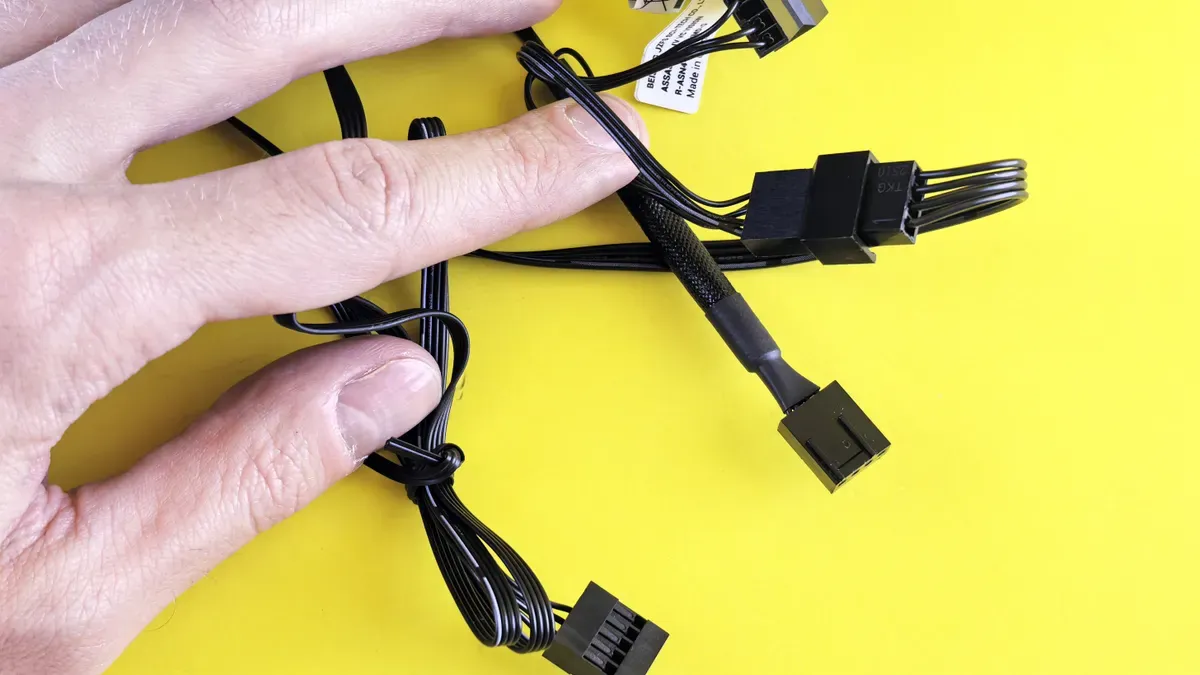
Für optimale Signalqualität, weniger Hardwareausfälle und eine optimierte Wärmeableitung in kompakten, modernen Elektronikgeräten benötigen Sie einen hochwertigen, maßgefertigten Computerkabelbaum. Standardkabel aus dem Handel führen oft zu komplizierter Kabelführung und Wackelkontakten in beengten Gehäusen. Maßgeschneiderte Lösungen beheben diese Platzbeschränkungen elegant. Die Zusammenarbeit mit spezialisierten Zulieferern ist hierfür ideal. Kundenspezifische Computerkabelherstellung Bietet ein maßgeschneidertes Design, das speziell für Hochleistungsrechnerarchitekturen entwickelt wurde. Die kundenspezifische Kabelführung verläuft reibungslos durch enge Gehäuse, ohne die kritische interne Luftzirkulation zu behindern. So schützen Sie geschäftskritische Hardware vor unerwarteten Betriebsausfällen. Die präzise Kabelkonfektionierung gewährleistet optimale elektrische Leitfähigkeit, reibungslose Signalübertragung und langfristige mechanische Belastbarkeit für all Ihre Systemkonfigurationen.
Maßgefertigte Computerkabelbäume passen genau in kleine Räume und sorgen für eine gute Kühlung der internen Hardware.
Eine fortschrittliche Kabelschirmung blockiert elektrische Störungen und schützt die Hochgeschwindigkeits-Datenübertragung.
Eine qualitativ hochwertige Kabelbaumkonfektionierung verhindert lose Verbindungen und reduziert unerwartete Hardwareausfälle.
Die Investition in langlebige Spezialkabel senkt die Wartungskosten und schützt Ihren Markenruf.
Hochdichte Elektronikgehäuse stellen moderne Hardwareentwickler vor erhebliche Herausforderungen bei der Anordnung der Bauteile. Aktuelle Branchenzahlen zeigen, dass die Packungsdichte von Elektronik in beengten Bereichen in den letzten fünf Jahren um fast 40 % gestiegen ist. Beim Verlegen von Kabeln um empfindliche Komponenten, Stromversorgungen und komplexe Antennenanordnungen müssen die Z-Höhenbeschränkungen sorgfältig beachtet werden. Standardkabel aus dem Handel verursachen oft unerwartete Probleme mit den Kabelbäumen und beeinträchtigen die notwendige Luftzirkulation im kompakten Gehäuse. Ein lokaler Temperaturanstieg von nur 10 °C kann die Lebensdauer nahegelegener kritischer Komponenten um 50 % reduzieren. Diese thermischen Engpässe lassen sich durch die Verwendung hochwertiger, maßgefertigter Kabelbäume beheben, die speziell auf die Geometrie Ihres Systems abgestimmt sind.
Flache Kabelbäume verwenden übereinanderliegende elektrische Drähte, die in einer flächigen Anordnung angeordnet sind, um die Bauhöhe zu reduzieren und eine kompakte Verlegung zu ermöglichen.
Nicht synchronisierte Daten zwischen logischen Netzlisten und physischen 3D-Leiterbahnen führen zu erheblichen Engpässen bei der Prototypenerstellung. Abweichungen zwischen digitalen Modellen und realen Prototypen verursachen Verzögerungen von bis zu 20 % in der Produktentwicklung. Ungenaue Leitungsberechnungen führen zudem zu 15–30 % Materialverschwendung in der Fertigung. Das Überschreiten der minimalen Biegeradien (4–10-facher Außendurchmesser) verursacht Mikrorisse in der internen Abschirmung und damit einen Ausfall der elektromagnetischen Verträglichkeit. Präzise Längenberechnungen sind weiterhin unerlässlich, da bereits ein Fehler von 10 mm dazu führt, dass der Kabelbaum bei hochpräzisen Fertigungsvorgängen nicht angeschlossen werden kann. Eine frühzeitige Systemmodellierung beugt häufigen Fehlern bei der Kabelbaumkonstruktion vor und optimiert den Platzbedarf in kompakten Gehäusen.
Erfordernis | Standard-Gurt | Maßgefertigter Gurt |
|---|---|---|
Nicht standardmäßige Routing-Geometrie | Nicht unterstützt | Unterstützt |
Anwendungsspezifische Steckverbindertypen | Nicht unterstützt | Unterstützt |
OEM-definierte Spezifikationen | Nicht unterstützt | Unterstützt |
Moderne Hochleistungsrechner erfordern eine präzise Kontrolle elektromagnetischer Störungen und Übersprechen zwischen benachbarten Leitungen. Speziell entwickelte Kabelbäume nutzen fortschrittliche Abschirmungsstrategien, um sensible Datenübertragungen in komplexen elektronischen Baugruppen zu schützen. Beispielsweise unterdrückt die Differenzsignalisierung Gleichtaktstörungen effektiv. Wenn hochfrequente elektromagnetische Störungen identische Spannungen von beispielsweise 5 mV auf beiden Leitungen induzieren, subtrahiert die Empfangshardware die Signale und eliminiert so 90–95 % des Rauschens.
Die Konfiguration von verdrillten Adernpaaren hat direkten Einfluss auf die Signalqualität über lange interne Leitungsstrecken. Kategorie-6-Kabel verwenden engere Verdrillungen von 2–3 pro Zoll, um das Nahnebensprechen im Vergleich zu Kategorie 5e um 15 dB zu reduzieren. Unterschiedliche Verdrillungslängen zwischen benachbarten Adernpaaren, z. B. 0,5 Zoll statt 0,7 Zoll, verringern die Interferenzen um weitere 8–12 dB. Gleichbleibende Verdrillungsraten gewährleisten eine Impedanz von 100 Ohm mit einer geringen Abweichung von ±5 % und verhindern so Signalreflexionen, die andernfalls 10–20 % der Signalleistung verschwenden würden.
Die STP-Wrap-Technologie bietet für jedes Adernpaar eine individuelle Folienabschirmung, um empfindliche Datenwege zu isolieren.
Die FTP-Wrap-Technologie überträgt eine flächendeckende Folienabschirmung um das gesamte Bündel, um externe elektromagnetische Störungen zu blockieren.
Das S/FTP-Design kombiniert eine Folienumwicklung pro Kabelpaar mit einer übergreifenden Geflechtschirmung für maximale Geräuschisolierung.
Die geschirmte Twisted-Pair-Konstruktion reduziert elektromagnetische Störungen um bis zu 90 %, erhöht jedoch die Produktionskosten um 30 % und erfordert ordnungsgemäß geerdete Steckverbinder. Die strikte räumliche Trennung von Strom- und Hochgeschwindigkeitssignalleitungen durch separate Leitungen eliminiert gängige Probleme von Kabelbäumen wie Masseschleifen und unerwünschtes Übersprechen. Die präzise Kabelbaumkonfektionierung garantiert enge mechanische Toleranzen und sichere Verbindungen, die auch unter kontinuierlichen industriellen Vibrationen ohne Signalausfälle oder Wackelkontakte bestehen. Kundenspezifische Kabelkonstruktionen gewährleisten langfristig zuverlässigen Betrieb auch in anspruchsvollen Rechenumgebungen.
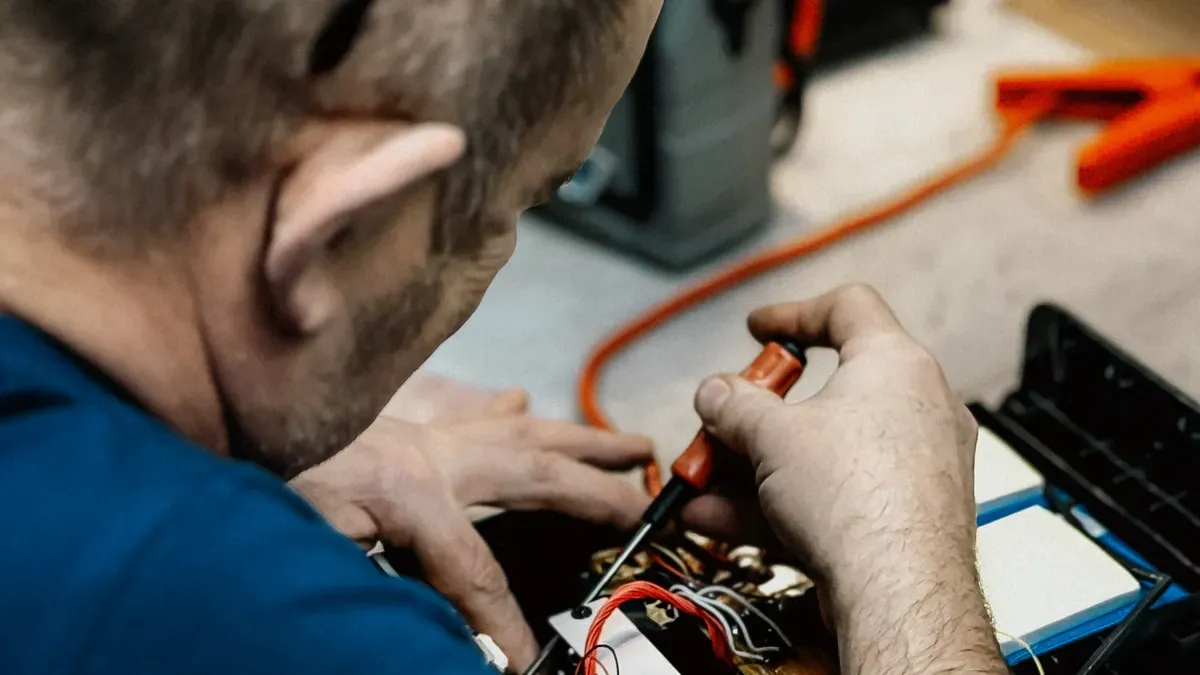
Die präzise Fertigung bei der Kabelbaumkonfektionierung erfordert hochwertige Materialien, um optimale elektrische Leitfähigkeit und mechanische Belastbarkeit auch unter hoher Betriebsbelastung zu gewährleisten. Kundenspezifische Kabeldesigns mit speziellen Abschirmungsbarrieren schützen empfindliche Datenleitungen vor starken elektromagnetischen Störungen. Aluminiumfolien reflektieren unerwünschte externe elektromagnetische Energie von den Innenleitern weg. Gleichzeitig leitet ein Kupfergeflecht abgefangene Störungen sicher über die äußere Abschirmung direkt zu den Masseanschlüssen. Dieser doppelte Schutzmechanismus verhindert Signalverfälschungen, eliminiert Übersprechen und sorgt für klare Datenübertragung auch in Umgebungen mit starken Störungen.
Moderne Kabelbaumfertigungsprozesse entsprechen strikt den IPC-620-Standards, um die mechanische Festigkeit unter thermischer Belastung zu gewährleisten. Software zur fertigungsgerechten Konstruktion optimiert die Wärmeisolierung und die Luftführung im kompakten Hardwaregehäuse. Spezielle 3D-Modellierungswerkzeuge prognostizieren mögliche Interferenzen der Kabelführung, bevor die physische Prototypenfertigung beginnt. Durch die Vermeidung von Hochtemperaturkomponenten und Quetschstellen in den Kabelbäumen werden Isolationsbeeinträchtigungen und Kurzschlüsse verhindert. Diese gezielte Konstruktion erhält die Flexibilität der Kabel, isoliert kritische Signalwege und sichert die langfristige Systemstabilität.
Spezielle Steckverbinderoptionen lösen komplexe Herausforderungen bei der Raumaufteilung in dicht bestückten, modernen Elektronikgehäusen. Durch die Integration von … vermeiden Sie lose Verbindungen und Verdrahtungsprobleme. 6P6C Kundenspezifischer Kabelbaum Die Steckverbinder lassen sich direkt in Ihren gesamten Computer-Kabelbaum integrieren. Maßgeschneiderte Mehrpolstecker fügen sich nahtlos in beengte Bauräume ein, vermeiden überschüssiges Kabelspiel und reduzieren die Belastung empfindlicher Leiterplattenschnittstellen.
Standardmäßige Steckverbinder lösen sich häufig oder verlieren den elektrischen Kontakt, wenn die Hardware thermischer Ausdehnung und anhaltenden mechanischen Vibrationen ausgesetzt ist. Eine professionelle Montage verhindert diese unerwarteten Hardwareausfälle durch die Kombination von maßgefertigten Zugentlastungen mit formschlüssigen Gehäusen. Die präzise Kabelbaumkonfektionierung gewährleistet einen gleichmäßigen Kontaktdruck an jedem einzelnen Anschlussstift. Dieser spezielle Fertigungsprozess garantiert feste elektrische Verbindungen, vereinfacht die interne Kabelführung und verbessert die Gesamtqualität des Systems auch unter anspruchsvollen Betriebsbedingungen.
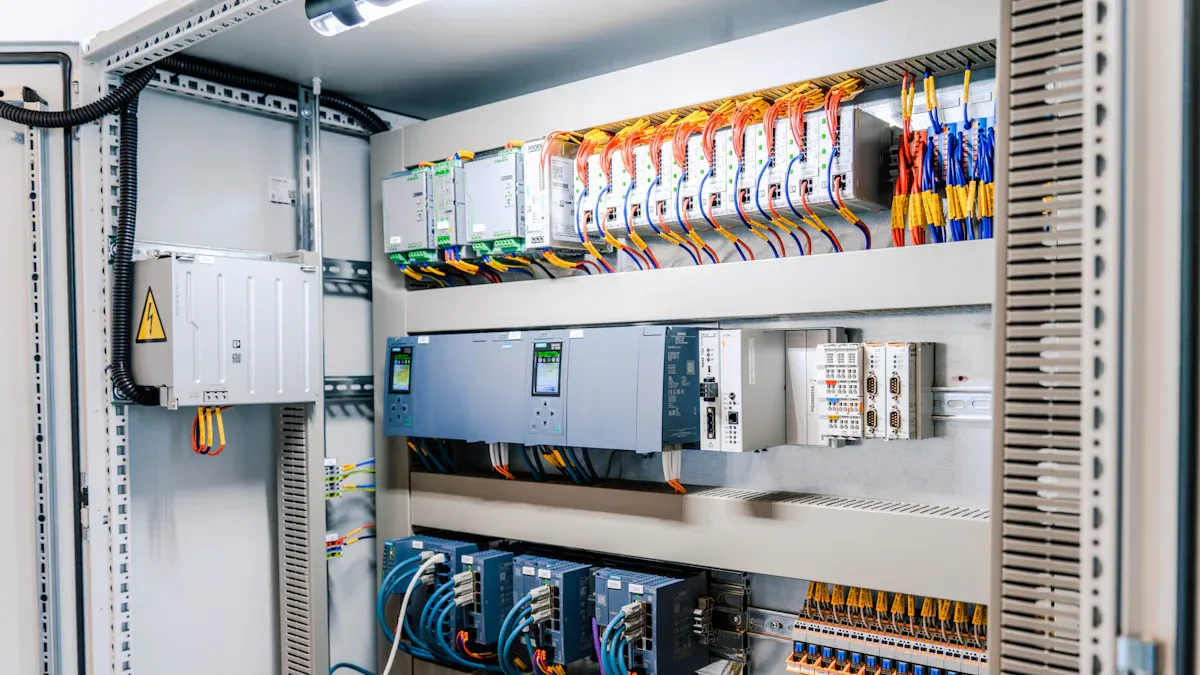
Schwere Kurzschlüsse in kompakten Computerplattformen entstehen oft durch ungeeignete Materialien und zu enge Biegeradien. Werden Standardkabel über ihre minimalen Biegeradien hinaus gebogen, erfahren die internen Leiter starke mechanische Belastungen. Diese Belastungen können zu Unterbrechungen oder unbeabsichtigten Kontakten zwischen den Leitern führen. Um Beschädigungen und Risse der Ummantelung zu vermeiden, sollten für Umgebungen über 150 °C Hochtemperaturmaterialien wie Silikon oder PTFE anstelle von Standard-PVC verwendet werden. Eine hochwertige Isolierung schützt die Adern vor Hitze, während eine geeignete Zugentlastung mechanischen Verschleiß verhindert. Hochwertige Kabelbäume verwenden Schutzhüllen, -bänder und -rohre, um die Kabelbündel vor unsachgemäßer Behandlung und Vibrationen zu schützen. Um Probleme mit Kabelbäumen zu vermeiden, ist ein robuster Schutz entlang des gesamten Verlegungswegs erforderlich.
Eine geordnete Kabelführung schützt empfindliche Geräte vor thermischer Belastung und katastrophalen Hardwareausfällen:
Eine strukturierte Kabelführung in Kabelkanälen und erhöhten Trägern verhindert mechanischen Abrieb und Beschädigungen der Isolierung.
Eine sachgemäße Rack-Organisation ermöglicht einen ungehinderten Luftstrom, senkt die Innentemperaturen und schützt die Kabelummantelungen.
Eine klare Kennzeichnung und sichere Befestigungen verhindern versehentliches Trennen, physische Belastung und Kurzschlüsse.
Professionelle Montageverfahren eliminieren Herstellungsfehler bei Kabelbäumen, bevor diese die Produktionslinien erreichen. Speziell angefertigte Schutzgehäuse bilden eine physische Barriere gegen Stöße, Wasser und Chemikalien. Diese robusten Maßnahmen verhindern häufige Probleme von Kabelbäumen wie Masseschleifen, thermische Durchschläge und unerwartete Kurzschlüsse.
Die Einhaltung strenger Fertigungsstandards optimiert die Hardwarezuverlässigkeit in jeder Produktionscharge. Der IPC/WHMA-A-620-Standard definiert explizite Verarbeitungs- und Akzeptanzkriterien für Computerprodukte der Klasse 2. Die Befolgung dieser Richtlinien minimiert Fertigungsfehler, eliminiert Schwankungen in der Fertigungsqualität und reduziert ungeplante Ausfallzeiten. Kundenspezifische Kabelkonstruktionen integrieren qualitätskontrollierte Prozesse direkt in frühe Designphasen und erkennen Layoutfehler, bevor die eigentliche Montage beginnt. Die frühzeitige Identifizierung potenzieller Probleme mit Kabelbäumen vermeidet kostspielige Produktionsverzögerungen.
IPC-A-620 standardisiert Akzeptanzkriterien, sodass Qualitätskontrollteams Fehler frühzeitig erkennen. Die Verwendung messbarer visueller Standards senkt die Nacharbeitsquoten, minimiert den Ausschuss und verhindert unerwartete Ausfälle im Feld bei komplexen Elektronikbauteilen.
Standardisierte Prüfverfahren decken Isolationsfehler, fehlerhafte Crimpverbindungen und lose Anschlüsse frühzeitig in der Produktion auf. Die Erkennung eines Defekts im Prüfstand ist 10- bis 100-mal günstiger als die Reparatur eines defekten Geräts nach der Montage.
Montageart | Fehlerrate bei der Crimpung | Gesamtfehlerrate der Kabelbäume |
|---|---|---|
Manuelle Montage | 0,5–1,2 % | ~0,5–1,2 % Ausschuss |
Automatisierte/Geprüfte Montage | 0,03–0,08 % | <<0,1 % |
Die Implementierung eines unternehmensweiten Qualitätsverbesserungsprogramms stellt sicher, dass Ihr Lieferant jedes Produkt strengen elektrischen Prüfungen unterzieht. Computer-KabelbaumAutomatisierte Tests bestätigen sichere Verbindungen, validieren die Schirmungsintegrität und beugen Ausfällen im Feld vor. Die Zusammenarbeit mit erfahrenen Herstellern von Kabelbäumen löst wiederkehrende Probleme bereits vor dem Versand. Diese proaktive Strategie minimiert Ausfallzeiten im Feld, reduziert Gewährleistungsansprüche und vereinfacht die langfristige Hardwarewartung.
Mit langlebigen, maßgefertigten Kabelbäumen anstelle von billigen Standardkabeln sichern Sie sich erhebliche Langzeitvorteile. Hochwertige Fertigung reduziert Verschleiß, thermische Belastung und mechanische Beanspruchung im Inneren kompakter Computergehäuse. Die überlegene Konstruktion schützt empfindliche Kupferleiter vor Umgebungswärme, während die integrierte Zugentlastung Kabelbrüche bei der manuellen Installation und im Dauerbetrieb verhindert.
Das Sparen an gründlichen Tests während der Fertigung birgt erhebliche finanzielle Risiken für Ihr Unternehmen. Beispielsweise deckt eine vollständige 100%ige Prüfung bei einer Fehlerrate von 2 % 20 fehlerhafte Kabelbäume auf. Im Gegensatz dazu werden bei einer einfachen Stichprobenprüfung 6 defekte Einheiten übersehen. Eine Einsparung von 137,50 $ bei den anfänglichen Testkosten kann zu Garantieansprüchen in Höhe von 1.500 $ führen, bei geschätzten 250 $ pro Feldausfall. Diese hohen Garantiekosten vermeiden Sie durch die Anwendung strenger Testprotokolle für jeden gefertigten Kabelbaum. Strategische Investitionen in Qualität bereits in der frühen Phase der Hardware-Montage schützen Ihr Unternehmen vor teuren Reparaturen und Geräteaustauschen im Feld.
Hardwareausfälle beeinträchtigen die Kundenzufriedenheit und schädigen das Marktimage in wettbewerbsintensiven IT-Branchen. Mangelhafte Kabeldokumentation und fehlerhafte Verkabelung führen zu unerwarteten Ausfallzeiten in unternehmenskritischen Systemen. Sorgfältige Kabelkonstruktion verhindert Masseschleifen, Signalreflexionen und Wackelkontakte im täglichen Dauerbetrieb. Die präzise Auswahl kundenspezifischer Kabelparameter gewährleistet hohe Systemverfügbarkeit und dauerhafte Betriebseffizienz über lange Gerätelebenszyklen.
Zuverlässige interne Hardware wandelt Kundenvertrauen in nachhaltigen wirtschaftlichen Wert um. Die Wahl zwischen langlebigen und minderwertigen Kabelbaumkonstruktionen bestimmt direkt Ihren gesamten Marktruf.
Hochwertige Gurte (Positive Markenwirkung) | Minderwertige Geschirre (Negativer Markeneinfluss) |
|---|---|
Weniger Ausfälle | Unerwartete Ausfallzeit |
Langzeitzuverlässigkeit | Feldausfälle |
Größeres Kundenvertrauen | Schädigung des Markenrufs |
Die Investition in umfassend geprüfte, kundenspezifisch entwickelte Kabel stärkt das Kundenvertrauen und sichert den langfristigen Betriebserfolg auch bei komplexen Installationen. Intelligente Designentscheidungen garantieren eine stabile Systemleistung, vermeiden kostspielige Produktrückgaben, senken den Wartungsaufwand und schützen Ihre Markenreputation nachhaltig.
Kundenspezifische Computerkabelbäume sind eine wichtige technologische Investition für Ihre elektronischen Systeme. Diese maßgeschneiderten Kabellösungen garantieren dauerhafte Betriebssicherheit, optimales Wärmemanagement und langfristige Signalqualität auch bei hochdichten Hardware-Layouts. Die Investition in hochwertige, kundenspezifische Kabelbäume senkt den langfristigen Wartungsaufwand erheblich. Sie vermeiden häufige Ausfälle im Feld und hohe Kosten für den Geräteaustausch über lange Lebenszyklen. Fortschrittliche Fertigungstechniken eliminieren gängige Installationsfehler und schützen empfindliche interne Komponenten vor unerwarteten thermischen Schäden. Entwicklungs- und Beschaffungsteams müssen die Systemleistung bereits in frühen Hardware-Entwicklungsphasen optimieren. Arbeiten Sie noch heute mit einem etablierten Fertigungspartner zusammen, um sich erstklassige Qualität zu sichern. Computer-Kabelbaum Lösungen für Ihre modernen Elektronikprojekte.
Maßgefertigte Designs passen sich exakt den Abmessungen Ihres Gehäuses an. Sie vermeiden überflüssige Kabellängen und enge Biegungen. Dieser gezielte Ansatz löst schwerwiegende Probleme mit Kabelbäumen, wie beispielsweise blockierte Luftzirkulation im Inneren, eingeklemmte Isolierung und versehentliche Kurzschlüsse in kompakten Elektronikgehäusen.
Ungeschirmte Leiter und ungünstige Verdrillungsverhältnisse verursachen häufige Probleme in Kabelbäumen, wie Übersprechen und elektromagnetische Störungen. Speziell entwickelte Schirmungen blockieren externe elektrische Störungen. Kontrollierte Verdrillungsraten gewährleisten eine stabile Impedanz und schützen so empfindliche Hochfrequenz-Datensignale in komplexen Systemarchitekturen.
Speziell angefertigte Zugentlastungsmanschetten fixieren Kabel sicher an den Steckverbindern. Sie absorbieren kontinuierliche mechanische Vibrationen und Wärmeausdehnung. Durch die Reduzierung der Belastung der Anschlussstifte werden Wackelkontakte verhindert und wiederkehrende Probleme mit Kabelbäumen in anspruchsvollen Rechenumgebungen vermieden.
Die Hersteller prüfen jede Baugruppe gemäß IPC-620-Standard. Automatisierte elektrische Prüfungen erkennen fehlerhafte Crimpverbindungen, mangelhafte Erdung und Isolationsfehler vor der Installation. Diese strengen Kontrollen gewährleisten eine hohe mechanische Belastbarkeit, geringere Ausfallraten im Feld und schützen Ihre Investition in das Gesamtsystem.
Email : grace@smartwireconnect.com
Tel : +8613554925749
Whatsapp : +8613554925749
2-3 Floor, No. 45, Minfu Road, Shatou Industrial Zone, Shajing Street, Bao'an District, Shenzhen, Guangdong, China


©2026 Shenzhen Smart Connection Technology Co., Ltd. Alle Rechte vorbehalten.
 IPv6-Netzwerk unterstützt